

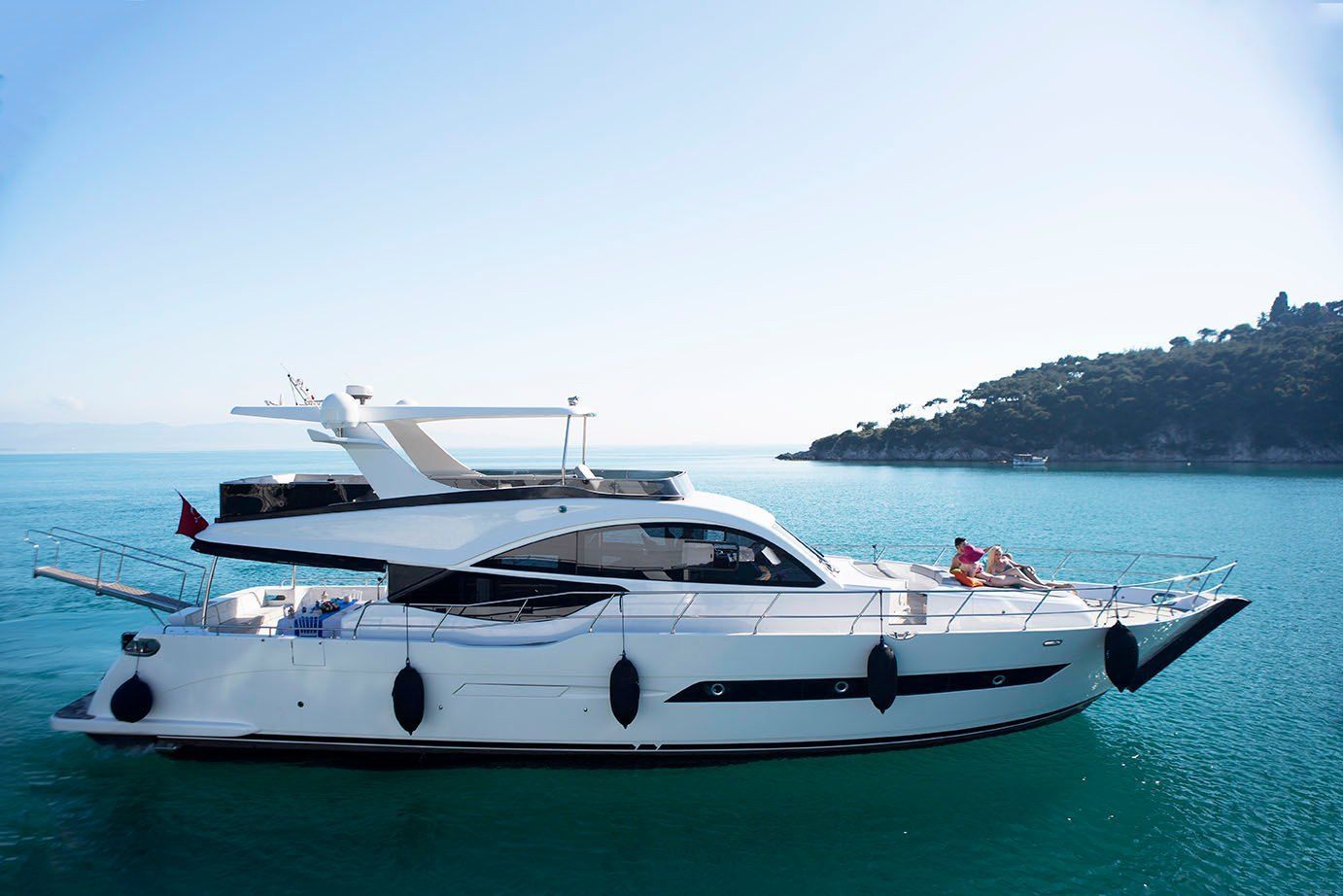
The stretch of sea separating Ibiza from Formentera, known as es Freus, is less than 20 kilometres wide, but is home to some of the best-preserved seabeds in the western Mediterranean. Crossing by ferry is the cheapest option and the one used by thousands of tourists every summer, with journeys taking between 25 and 55 minutes depending on the port of departure. Chartering a private boat completely transforms that experience, turning a simple journey into the highlight of the trip.
Table of Contents
There’s nothing quite like chartering your own boat
The difference isn’t just one of comfort. A ferry takes passengers from one port to another, with no detours. A private boat – be it a motorboat, a sailing boat or a yacht with a skipper – allows you to choose your own route, stop at coves inaccessible by land, and adjust your schedule to avoid the crowds arriving at each beach. In high season, that freedom comes at a price that isn’t always within every traveller’s reach, and it’s worth making this clear before romanticising the experience: chartering a boat in Ibiza in August isn’t cheap, and prices vary greatly depending on the boat’s length, whether a skipper and fuel are included, and the number of hours booked.
Ten nautical miles well worth planning
The most common route sets off from Ibiza Town or Marina Botafoch and heads south, with Es Vedrà coming into view if the skipper decides to skirt the west coast before turning towards Formentera. The direct crossing is just 10 to 13 nautical miles and, in a motorboat, takes around 30 minutes. It is precisely this short journey that makes it feasible to spend a whole day exploring Formentera by sea without having to give up a night’s sleep in Ibiza – something that many charter agencies offer as a full-day excursion.
Why anchoring on Posidonia seagrass beds is prohibited
The almost inevitable destination is Ses Illetes, the strip of white sand and turquoise water that separates Formentera from Es Espalmador. Its almost Caribbean-like appearance is no coincidence: beneath those crystal-clear waters lie meadows of Posidonia oceanica, a marine plant endemic to the Mediterranean that oxygenates the water and slows down beach erosion. It is precisely for this reason that anchoring over the seagrass meadow is prohibited within the Ses Salines Natural Park, which encompasses both Ses Illetes and a large part of the channel.
Authorised areas are marked with yellow buoys, and at s’Espalmador, anchoring is restricted to eco-friendly buoys installed to avoid damaging the underwater vegetation, with capacity for a specific number of boats. Failing to comply with these regulations can result in fines of several hundred euros, and during the summer there are rangers from the natural park patrolling the area, so any experienced skipper will plan their anchorage in advance.
This is what a private day trip is like
Companies specialising in private day trips, such as the one organised by this yacht charter Ibiza to Formentera, usually include both Ses Illetes and a stop at s’Espalmador – an uninhabited islet with a warm mud lagoon that has become popular on social media in recent years – in their itinerary. A typical day mixes anchoring in shallow waters, free time for swimming or snorkelling and, on premium packages, on-board catering. It’s worth noting that not all excursions are the same: the quality of the skipper, the condition of the boat and compliance with anchoring regulations vary greatly between operators, and no sales pitch can replace checking the specific conditions before booking.
June, September and the wind that few websites mention
Those seeking the experience without the crowds of July and August might consider June or September, months when the water is already warm enough for swimming and the pressure on the beaches is significantly lower. The wind is also a factor that few commercial websites mention honestly: the Levante wind can complicate the crossing and force you to change your plans at short notice, so any booking should allow for some flexibility with dates.
Don’t forget to ask before paying the deposit
Before paying a deposit, it’s worth asking the operator a few questions that rarely feature in a website’s photo gallery, such as whether the boat has a valid charter licence and passenger insurance, whether the skipper is included in the price or whether they assume the customer already holds the relevant sailing qualification, and what happens to the payment if the trip is cancelled due to wind or a red flag warning on the beaches. None of this usually appears in the brochures, but it often matters far more – once the boat is in the water – than the number of cushions on deck. It’s also worth asking for morning departures, as the sea in Es Freus is usually calmer before midday and Ses Illetes fills up with day-trippers from the ferries from early afternoon onwards.
It’s obvious that the comparison between a ferry and a private boat isn’t a question of which is better in the abstract, but rather of what sort of trip you’re looking for. The ferry provides a quick and economical way to get there. A private boat turns the sea itself into the destination, with the added advantage of access to coves and anchorages that no regular route covers.
