

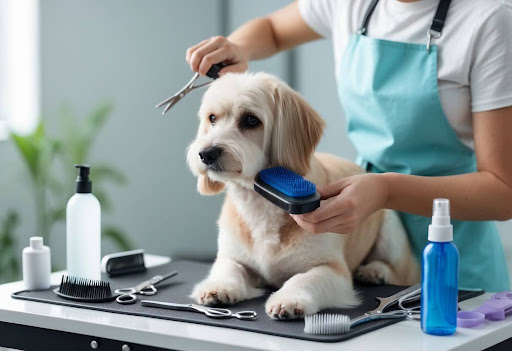
Grooming a dog can sometimes feel like a challenging task for pet owners. Few things contribute more to a dog’s health and happiness than a good grooming routine. Using the right grooming tools makes the process easier, faster, and more efficient for both the owner and the pet.
With a variety of effective tools available, pet owners can easily tackle issues like shedding, matting, and sensitive skin. From slicker brushes to nail clippers, understanding which tools to use can greatly enhance the grooming experience. Not only do these tools help maintain a dog’s appearance, but they also contribute to the pet’s overall well-being.
Understanding grooming tools for dogs can provide valuable insights into achieving a healthier, happier pet. By selecting the right instruments, pet owners can transform grooming from a dreaded chore into a satisfying bonding experience.
Table of Contents
Why the Right Dog Grooming Tools Matter
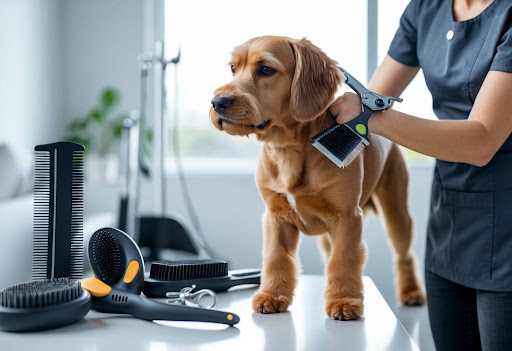
Choosing the right grooming tools is essential for maintaining a dog’s health and comfort. The tools used can have a significant impact on skin and coat health, enhance the bond between the dog and owner, and help identify any health issues early on.
Health and Well-Being Benefits
Proper grooming tools play a crucial role in a dog’s skin and coat health. High-quality brushes and clippers remove dirt, loose hair, and dead skin cells. This helps prevent skin irritation and keeps the coat clean and shiny.
Using grooming tools for dogs designed for specific coat types is essential. For instance, deshedding tools are perfect for dogs with heavy undercoats, while slicker brushes are ideal for long-haired breeds. Regular grooming reduces the chance of matting, which can lead to painful skin issues. It also improves blood circulation. When a dog feels good physically, it leads to improved mental well-being.
Bonding and Stress Reduction
Grooming is an effective way to build a bond between a dog and its owner. When done properly with the right tools, grooming can be a calming experience for the dog. It creates trust and familiarity. Tools that are gentle and suitable for a dog’s sensitive areas help lower anxiety levels during grooming sessions.
A low-noise clipper can make the process less frightening for nervous pups. Establishing a routine that includes regular grooming helps dogs feel secure. When they associate grooming with positive interactions and rewards, it fosters a strong connection.
Early Detection of Issues
Grooming provides an opportunity for owners to check their dogs for any unusual signs or symptoms. Regular use of grooming tools can help reveal skin irritations, lumps, or signs of parasites like fleas and ticks. Early detection of these issues is vital. It allows for prompt action, which can prevent more severe health problems down the line.
Tools like combs and brushes allow owners to feel their dog’s skin and fur more closely. This can lead to discovering hotspots or allergies that may otherwise go unnoticed. Keeping an eye on skin health is important for maintaining the dog’s overall well-being. Regular grooming truly makes health checks easier and more effective.
Essential Tools for Easier Dog Grooming
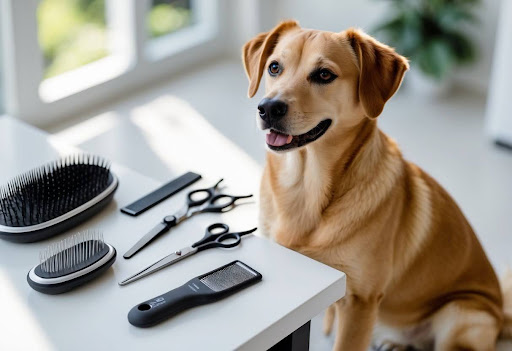
Grooming tools play a vital role in making dog grooming simpler and more effective. The right tools can help manage different coat types, maintain nails, ensure clean baths, and address tangles and shedding efficiently. Below are crucial tools that every dog owner can benefit from.
Brushes for Different Coat Types
Choosing the right brush is essential for effective grooming. For long, curly, or wavy coats, a slicker brush is ideal. It features fine, short wires that penetrate the coat, removing tangles and preventing mats. For short-haired breeds, a bristle brush works best. Its tightly packed bristles remove dirt and help distribute natural oils, keeping the coat shiny.
Undercoat rakes are crucial for double-coated breeds. They reach past the topcoat to remove loose undercoat hair, significantly reducing shedding. Another useful tool is the pin brush, good for maintaining medium-length coats.
Nail Care Essentials
Nail care is another important aspect of grooming. Nail clippers come in different styles, including guillotine and scissor types. Guillotine clippers are suited for small to medium dogs, while scissor clippers are better for large breeds with thick nails. Always look for a safety stop to prevent cutting too deep.
Alternatively, a dog nail grinder provides a less stressful way to maintain nails. It files down nails gradually, reducing the risk of hitting the quick. Keeping styptic powder on hand is wise in case of accidents. Regular nail care prevents pain and discomfort for the dog.
Effective Bathing Supplies
Bathing tools are essential for maintaining a dog’s hygiene. A dog-safe shampoo is important since human shampoos can cause skin problems. Look for products that are soap-free and designed specifically for dogs. Oatmeal-based shampoos are great for sensitive skin.
Using a high-velocity dryer after a bath can help quickly remove excess water and hair. This reduces drying time and keeps the dog comfortable. Additionally, grooming wipes and dog toothbrushes can be useful for quick clean-ups and maintaining oral health in between baths.
Tools for Detangling and De-Shedding
Detangling tools and de-shedding products are vital for specific coat management. A de-shedding tool, like the Furminator, is designed to remove loose undercoat while protecting the topcoat. It is effective, particularly during shedding seasons.
For knots and mats, detangling spray can help loosen hair before brushing. Using a mat splitter can also assist in breaking up tough tangles without pulling the hair harshly. Grooming scissors and thinning shears offer precision for tidying up areas like paws and the face. These tools are essential for keeping your dog comfortable and looking its best.
How Grooming Tools Simplify Home Grooming
Grooming tools are essential for making home grooming straightforward and effective. They allow pet owners to achieve professional results while providing flexibility and comfort. By understanding the benefits of these tools, caregivers can enhance their dog grooming routines significantly.
Home Grooming Versus Professional Grooming
Home grooming offers many benefits compared to visits to a professional groomer. With the right tools, like brushes, combs, and clippers, pet owners can maintain their dog’s coat in between professional visits. This allows regular coat care, preventing issues before they become severe.
A variety of grooming tools, such as slicker brushes for tangles and trimmers for precise styling, help improve results. Moreover, home grooming is often more convenient, allowing owners to choose the timing that best fits their schedule. This advantage reduces stress on the pet, as many dogs feel more comfortable at home.
Time, Comfort, and Efficiency Gains
Using the right grooming tools makes the grooming process quicker and more efficient. Owners can save time by developing a routine and having all necessary tools at hand, such as detangling combs and grooming gloves. This preparation leads to a smoother grooming experience.
Moreover, home grooming promotes comfort for the pet. Familiar environments help reduce anxiety, making dogs more relaxed during grooming sessions. Regular grooming sessions contribute to a strong bond between the pet and owner, as they provide opportunities for affection and attention.
Reducing Shedding and Matting
Grooming tools play a vital role in controlling shedding and preventing matted fur. Regular use of tools like pin brushes and de-shedding tools significantly reduces loose hair around the home. This maintenance helps keep floors and furniture cleaner.
Additionally, addressing matting through consistent grooming prevents discomfort for dogs. Tools designed for detangling can carefully work through knots, protecting the skin underneath. This proactive approach not only enhances the dog’s comfort but also maintains a neat appearance for the pet. With effective grooming, owners can keep shedding in check and ensure their dogs feel their best.
Choosing the Right Tools for Your Dog’s Needs
Finding the right grooming tools is essential for making the grooming experience smooth and enjoyable for both the dog and the owner. Different factors such as the dog’s coat type, size, age, and sensitivity should guide the selection of the right tools.
Factors: Coat, Size, Age, and Sensitivity
The first step in choosing grooming tools is to consider the dog’s coat type. For example, long-haired breeds require different brushes than short-haired ones. A slicker brush works well for tackling mats in long fur, while a rubber curry brush is effective for short-haired dogs to remove loose hair.
Size is also important. Smaller dogs may need lighter, more manageable tools, while larger breeds can handle sturdier devices. Age plays a role too; puppies and elderly dogs may require gentler tools to avoid discomfort.
Sensitivity matters as well. Dogs with sensitive skin should use tools with soft bristles or rubberized surfaces. Grooming gloves can provide a gentle touch while effectively removing loose hair. Each characteristic of a dog should inform the choice of tools for the best results.
Tool Selection for Sensitive Skin
Dogs with sensitive skin need tools that minimize irritation during grooming. Brushes with soft bristles or rubber curry brushes are excellent choices. These tools are designed to gently remove dead hair and debris without causing discomfort.
Grooming gloves are another effective option. They allow the owner to stroke the dog while simultaneously shedding loose fur. This can create a more positive grooming experience.
When selecting dog shampoo and conditioner, choosing sensitive skin formulas can complement the grooming process. These products help maintain the coat’s health and reduce itching. Always prioritize the comfort of the dog by opting for specialized tools that cater to sensitive skin needs.
Safety, Maintenance, and Best Practices
Ensuring safety and maintaining grooming tools is essential for effective pet grooming. Proper practices not only protect the pet but also the groomer. This section highlights key aspects of safe usage, maintenance, and when to seek professional help.
Safe Use and Training Tips
Using grooming tools safely begins with education. Anyone involved in pet grooming should undergo training on proper techniques. This includes understanding how to handle grooming supplies like scissors, clippers, and blades with care.
- Know the Tools: Familiarize with each tool’s purpose to avoid mishaps.
- Wear Protective Gear: Using gloves can help prevent cuts and keep tools clean.
- Calm the Pet: Ensuring the dog is calm is crucial. Use treats and gentle handling during the grooming process to reduce anxiety.
Practicing these safety measures helps prevent accidents, like cuts from grooming scissors or injuries from clippers. Educating oneself about the proper techniques protects both the pet and groomer.
Cleaning and Maintaining Tools
Regular cleaning of grooming tools is vital for hygiene and effectiveness. Tools that are not properly maintained can harbor bacteria, leading to skin infections in pets.
- Post-Grooming Clean-Up: After each grooming session, clean tools with antibacterial wipes or disinfectants.
- Sharpness Matters: Dull scissors or clippers should be sharpened regularly. This ensures smooth grooming without pulling on the pet’s fur.
- Storage: Tools should be stored in a cool, dry place to prevent rust, especially metal instruments.
Using styptic powder is beneficial for managing any accidental cuts. Groomers should always keep this on hand in case of emergencies. By adhering to these maintenance practices, groomers can enhance the lifespan and performance of their tools.
When to Seek Professional Help
Sometimes, DIY grooming isn’t enough, and seeking professional help is necessary, especially when handling advanced grooming tools for dogs. Groomers should be aware of their limits, particularly with certain breeds or behaviors.
Behavioral Issues: If a dog shows excessive fear or aggression during grooming, it may require a professional who is experienced in using grooming tools for dogs safely in challenging situations.
Complex Grooming Needs: Certain breeds with specific grooming requirements might need specialized expertise and professional-grade grooming tools for dogs to achieve the best results.
Tool Repair: If equipment malfunctions or becomes unsafe, it’s wise to consult a professional for repairs or replacement of grooming tools for dogs.
Recognizing these situations ensures both pet and groomer remain safe, while also achieving the desired grooming outcomes efficiently with the proper grooming tools for dogs.
