

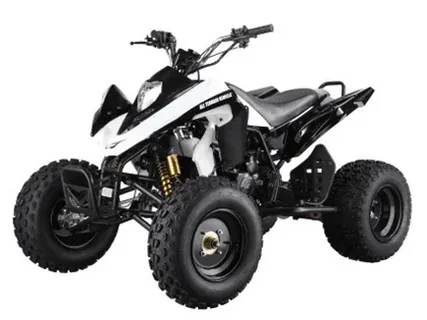
Walk into any dealership or browse online listings, and the price tags on ATVs can seem all over the place. You’ll find machines starting around $5,000, others pushing $15,000 or more, and plenty scattered everywhere in between. The question most buyers ask is pretty straightforward: what exactly makes one quad cost three times as much as another that looks fairly similar?
The answer isn’t as simple as “you get what you pay for,” though that’s partly true. ATV pricing follows some patterns that make sense once you understand what’s driving the numbers. Knowing these factors helps you figure out whether a particular machine represents good value or if you’re paying for features you’ll never actually use.
Engine Size and Performance Specifications
The heart of any ATV is its engine, and this is where a big chunk of the price difference lives. A 250cc entry-level quad costs significantly less than a 700cc powerhouse, and it’s not just about the physical engine size. Larger engines require beefier transmissions, stronger axles, bigger brakes, and more robust suspension components to handle the power they produce.
But here’s the thing, engine displacement alone doesn’t tell the whole story. A well-engineered 450cc motor with electronic fuel injection, liquid cooling, and modern valve technology costs more to manufacture than an older-design 500cc engine with carburetors and air cooling. The technology packed into that engine matters as much as its raw size.
Performance features add up quickly. Electronic power steering, which wasn’t even available on ATVs a decade ago, now appears on mid-range and premium models. That system alone can add $1,000 to $1,500 to the manufacturing cost. Selectable drive modes, traction control systems, and advanced throttle mapping all require additional electronics and development costs that get passed along in the final price.
Brand Reputation and Manufacturing Quality
Some brands command premium prices because they’ve earned reputations for reliability and performance over decades. When you’re looking at options for an atv for sale australia, the brand name on the tank affects pricing more than many buyers realize. Established manufacturers with long track records invest heavily in research and development, testing, and quality control processes that newer or budget brands simply can’t match.
This doesn’t mean expensive always equals better, but premium brands typically use higher-grade materials throughout the machine. Steel frame tubes might be thicker, plastic bodywork more durable, and fasteners more resistant to corrosion. These improvements don’t show up in spec sheets but become obvious after a few years of hard use.
The country of manufacture plays a role too. Japanese-manufactured ATVs generally cost more than those made in China or Taiwan, partly due to labor costs but also because of different quality standards and component specifications. European brands sit at the top of the price range, with premium pricing reflecting both manufacturing costs and positioning as luxury recreational vehicles.
Features That Separate Price Brackets
Entry-level ATVs keep things basic because that’s how manufacturers hit lower price points. Manual transmissions, manual choke systems, and kickstart ignition all cost less than their modern equivalents. Move up to mid-range pricing and you’ll find electric start, automatic transmissions, and basic instrumentation as standard equipment.
The jump to premium pricing brings features that genuinely improve the riding experience but aren’t strictly necessary. Digital displays showing trip meters, service intervals, and diagnostic information add convenience. Winches, heated grips, and LED lighting packages enhance capability but increase costs substantially. A factory-installed winch might add $600 to $800 to the price, while aftermarket installation could run similar amounts once you factor in labor.
Suspension quality represents another major price differentiator. Basic ATVs use simple spring-and-shock setups with minimal adjustment. Premium models feature adjustable compression and rebound damping, longer travel, and better components that handle rough terrain with less drama. The difference in ride quality is noticeable, but whether it’s worth the extra cost depends entirely on how you plan to use the machine.
The Utility Versus Recreation Divide
ATVs built primarily for work cost differently than sport-focused machines. Utility quads emphasize cargo racks, towing capacity, and durability over speed and agility. They often use simpler, more robust mechanicals that cost less to produce but last longer under heavy loads. Sport ATVs require different engineering priorities, lighter materials, more sophisticated suspension, and higher-performance engines that drive up manufacturing costs.
This is where buying decisions get tricky. Many people purchase utility ATVs thinking they’re getting better value because they’re paying less for more capability on paper. That’s true if you actually need the utility features. But if you’re mainly trail riding for fun, you’re potentially paying for features you don’t need while missing out on performance characteristics that would actually improve your experience.
Import Duties, Freight, and Dealer Margins
The sticker price includes more than just manufacturing costs. ATVs sold in Australia face import duties, shipping costs from overseas manufacturers, and compliance expenses to meet Australian Design Rules. These additions can represent 20-30% of the final price, depending on the country of origin and current trade agreements.
Dealer margins vary but typically run 10-20% on new units. That markup covers showroom costs, staff wages, warranty support, and pre-delivery preparation. Dealers make additional profit on finance arrangements, extended warranties, and accessories, which is why they’re often willing to negotiate on the base price if you’re buying gear and services as well.
Freight costs within Australia affect pricing too, particularly for buyers outside major cities. A quad delivered to Sydney costs less than the same model shipped to regional areas, though some dealers absorb these differences while others pass them directly to customers.
When Higher Prices Actually Make Sense
Expensive doesn’t always mean better value, but sometimes paying more genuinely makes financial sense. If you’re putting serious hours on the machine, whether for farm work, professional use, or dedicated recreation, the extra durability and lower maintenance costs of premium models can offset their higher purchase prices within a few years.
Resale value matters more than many buyers consider upfront. Well-known brands with reputations for reliability hold their value significantly better than budget alternatives. A $12,000 ATV that’s worth $6,000 after five years represents better value than an $8,000 machine worth $2,000 over the same period, even though the initial outlay was higher.
The real trick is matching what you’re paying for with what you actually need. There’s no point spending extra for features you’ll never use, but skimping on capability you genuinely require just creates frustration later. Understanding what drives ATV pricing helps you spot the sweet spot where cost and capability align with your specific situation.
